
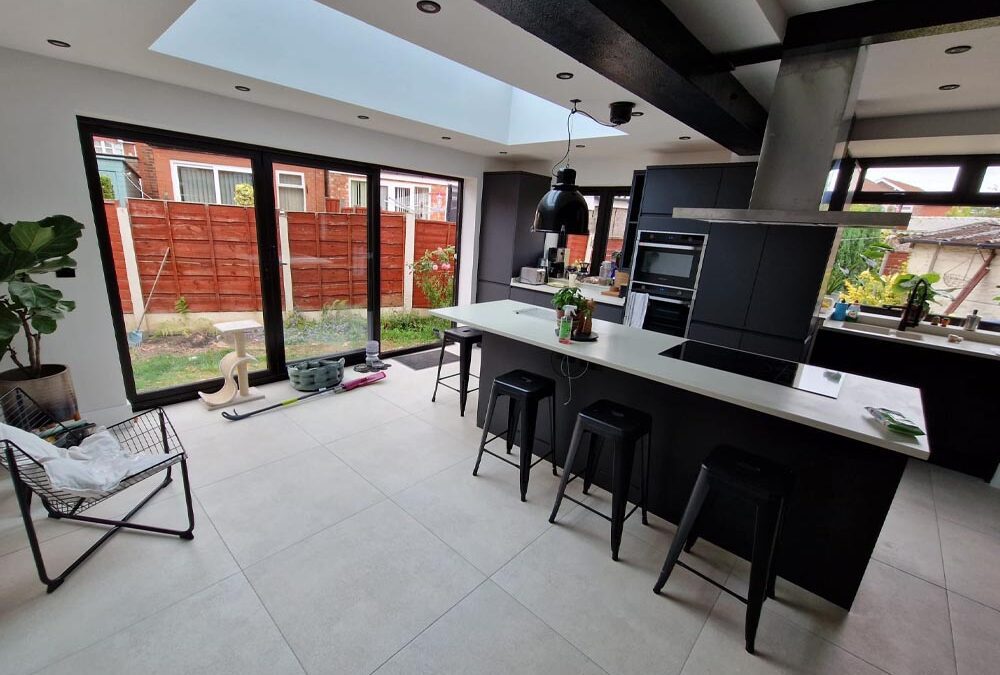
Designing a new kitchen is an exciting yet daunting task for homeowners. The kitchen is often the heart of the home, where functionality meets aesthetics, and creating a space that balances both can feel overwhelming. Fortunately, advancements in artificial intelligence (AI) have revolutionised the way homeowners can plan, design, and visualise their dream kitchens. From generating layout ideas to selecting materials and even optimising budgets, AI tools offer innovative solutions that simplify the process while delivering professional-quality results. In this comprehensive guide, we’ll explore how homeowners can best utilise AI to design and plan a new kitchen, ensuring a seamless and personalised experience.
Why Use AI for Kitchen Design?
AI-powered tools bring a level of precision, creativity, and efficiency that traditional methods often lack. Here are some key benefits of using AI for kitchen design:
Personalisation: AI can analyse your preferences, lifestyle, and space constraints to generate tailored design suggestions.
Visualisation: Advanced rendering capabilities allow you to see realistic 3D models of your kitchen before construction begins.
Time and Cost Efficiency: AI can optimise layouts and suggest cost-effective materials, saving you time and money.
Accessibility: Many AI tools are user-friendly and accessible to homeowners without design experience.
Data-Driven Decisions: AI can provide insights based on trends, ergonomics, and space utilisation to ensure a functional and stylish kitchen.
Step 1: Define Your Goals and Preferences with AI
Whether you’re renovating an existing kitchen or building a new one, AI tools can streamline the process and help you achieve a space that reflects your vision.
The first step in using AI for kitchen design is to clarify your goals and preferences. AI tools often start by asking you to input details about your needs, such as:
The size and shape of your kitchen space.
Your preferred design style (e.g., modern, farmhouse, industrial).
Must-have features (e.g., an island, double oven, or pantry).
Budget constraints.
Colour schemes and material preferences.
Many AI platforms, such as Homestyler or Planner 5D, allow you to create a profile and answer a questionnaire to capture these details. Some advanced tools use natural language processing (NLP) to interpret open-ended responses, such as “I want a cozy, family-friendly kitchen with lots of storage.” These platforms analyse your input to generate personalised design recommendations.
Step 2: Use AI to Measure and Map Your Space
Accurate measurements are critical for a successful kitchen design. AI-powered tools can assist in creating precise floor plans by analysing photos or scans of your space. Tools like Magicplan or Houzz’s AR features allow you to use your smartphone’s camera to measure your kitchen dimensions automatically. These apps use augmented reality (AR) and computer vision to detect walls, corners, and obstacles, creating a digital blueprint of your space.
Alternatively, if you already have measurements, you can input them into AI design platforms like IKEA’s Kitchen Planner or Kinsman. These tools use your data to generate 2D and 3D models of your kitchen, ensuring that every inch of space is accounted for.
How to Get Started:
Download an AI-powered measurement app or use a laser measuring device for precision.
Take photos or scan your kitchen space, ensuring good lighting to improve accuracy.
Input the measurements into your chosen AI design tool to create a digital floor plan.
Step 3: Generate Layout Ideas with AI
One of the most powerful features of AI in kitchen design is its ability to suggest optimised layouts. AI algorithms analyse your space, preferences, and ergonomic principles (like the kitchen work triangle—sink, stove, refrigerator) to propose layouts that maximise efficiency and flow.
For example, tools like Spacely AI or Chief Architect use machine learning to generate multiple layout options, such as L-shaped, U-shaped, or galley kitchens. These tools consider factors like traffic flow, storage needs, and appliance placement to create functional designs. Some platforms even allow you to tweak layouts in real-time, adjusting elements like cabinet placement or island size with a drag-and-drop interface.
How AI Helps with Layouts:
Space Optimisation: AI can suggest creative ways to use awkward spaces, such as corners or narrow areas.
Workflow Efficiency: AI ensures that key appliances are placed for maximum convenience, reducing unnecessary movement.
Customisation: You can experiment with different configurations, such as adding a breakfast bar or extra counter space.
Step 4: Visualise Your Kitchen in 3D
AI-powered visualization tools are a game-changer for homeowners. Platforms like Roomstyler, SketchUp, or Foyr Neo use advanced rendering engines to create photorealistic 3D models of your kitchen design. These tools allow you to see how different colours, materials, and finishes will look in your space, helping you make informed decisions before purchasing anything.
Some AI tools also incorporate virtual reality (VR) or AR features, letting you “walk through” your kitchen design using a VR headset or your smartphone. This immersive experience can help you spot potential issues, such as insufficient lighting or cramped walkways, before construction begins.
How to Use AI for Visualisation:
Upload your floor plan or let the AI generate one based on your measurements.
Select materials, colours, and appliances from the platform’s library or customise your own.
Use the 3D rendering feature to explore your design from different angles.
Experiment with variations, such as swapping out countertops or cabinet styles, to see what works best.
Pro Tip: Save multiple versions of your design to compare different aesthetics, such as a sleek modern look versus a rustic farmhouse style.
Step 5: Select Materials and Finishes with AI Assistance
Choosing the right materials and finishes is crucial for both aesthetics and durability. AI tools can recommend materials based on your style preferences, budget, and maintenance requirements. For example, if you prioritise low-maintenance surfaces, the AI might suggest quartz countertops over marble.
Some platforms, like Houzz or Decorilla, use AI to curate material combinations that complement your design. They analyse current design trends, colour theory, and your input to suggest cohesive palettes. For instance, if you choose a navy-blue cabinet colour, the AI might recommend white subway tile backsplashes and brass hardware to create a balanced look.
How AI Helps with Material Selection:
Trend Analysis: AI can identify popular materials and finishes based on current design trends.
Cost Estimation: Some tools provide price ranges for materials, helping you stay within budget.
Pro Tip: Request material samples from suppliers to test durability and texture before finalising your choices.
Step 6: Optimise Your Budget with AI
Renovating or building a kitchen can be expensive, but AI tools can help you stay within budget. Platforms like Homestyler provide cost estimation features, allowing you to input your material and appliance choices to get a rough estimate of expenses. AI can also suggest cost-effective alternatives, such as laminate flooring instead of hardwood or stock cabinetry instead of custom designs.
Some advanced AI tools analyse market data to recommend suppliers or brands offering the best value for your chosen materials. This can save you significant time and effort in researching options.
How to Use AI for Budgeting:
Input your material and appliance selections into the AI tool.
Use the cost estimation feature to get a breakdown of expenses.
Adjust your design choices based on AI recommendations to align with your budget.
Pro Tip: Use AI to compare quotes from multiple suppliers to ensure you’re getting the best deal on high-cost items like appliances or countertops.
Step 7: Collaborate with Professionals Using AI-Generated Plans
While AI tools empower homeowners to take charge of their kitchen design, collaborating with professionals like Paramount Kitchens Liverpool is often necessary. AI-generated floor plans, 3D renderings, and material lists can be shared with professionals to streamline the planning process. Many AI platforms allow you to export your designs as PDFs or CAD files, making it easy to communicate your vision.
How to Collaborate with AI:
Share your AI-generated designs with contractors to get feedback on feasibility.
Use AI tools to make real-time adjustments during consultations.
Provide professionals with detailed material lists generated by the AI to speed up sourcing.
Pro Tip: Ask your contractor to review the AI-generated layout for compliance with local building codes and structural requirements.
Step 8: Stay Inspired with AI-Driven Design Ideas
AI tools can keep you inspired throughout the design process by suggesting new ideas based on your evolving preferences. For example, platforms like Pinterest or Houzz use AI to recommend design inspiration tailored to your style. These tools analyse thousands of images and user preferences to curate mood boards that spark creativity.
How to Stay Inspired:
Browse AI-curated design ideas to discover new trends or innovative storage solutions.
Use AI to generate variations of your design, such as different lighting setups or colour schemes.
Save your favourite inspirations in the platform’s library for easy reference.
Pro Tip: Follow AI-recommended design blogs or social media accounts to stay updated on the latest kitchen trends.
Kitchen Finance Available
Join the thousands of homeowners around Liverpool who are choosing finance options to renovate their kitchen. Competitive finance rates make it easier than ever to get a high-quality kitchen for affordable repayments. Paramount Kitchens offer a complete kitchen finance package, learn more about that here.
Final Thoughts
AI has transformed kitchen design from a complex, professional-only process into an accessible and empowering experience for homeowners. By leveraging AI tools to define your goals, measure your space, generate layouts, visualise designs, select materials, optimise your budget, and collaborate with professionals, you can create a kitchen that is both functional and beautiful. The key is to choose user-friendly AI platforms, input accurate data, and experiment with multiple design options to find the perfect fit for your home.
Start exploring AI kitchen design tools today and take the first step toward creating your dream kitchen with confidence and ease.